The quest to understand what our furry friends are thinking is as old as domestication itself. Every dog owner has wondered why their pup is barking at the mailman, and every cat owner has pondered the mysterious reason behind a slow blink. In 2026, the dream of a real-life “Dr. Dolittle” seems closer than ever, thanks to a flood of vocal pet translation apps and AI-powered devices hitting the market . From simple soundboards to advanced models dubbed “PetGPT,” the promise of decoding animal communication is a tantalizing one .
But amid the buzzwords and venture capital funding, a crucial question remains: Is this science fact or just a very clever illusion? This article dives deep into the world of pet translation technology, exploring how it works, the leading apps on the market, the scientific reality behind the claims, and what the future truly holds for interspecies communication.
The Dream of Talking to Pets
For generations, we’ve communicated with our pets through basic commands, tone of voice, and observation. We learn to associate a specific whine with hunger or a particular meow with a desire to go outside. However, this is a one-way street paved with assumptions. The idea of a two-way conversation where a dog could articulate boredom or a cat could explain why they knocked a glass off the table has been the stuff of fantasy .
The emergence of artificial intelligence, specifically machine learning, has transformed this fantasy into a tangible goal for tech developers. By analyzing vast datasets of animal vocalizations and behaviors, these new applications aim to bridge the linguistic divide. The market has responded enthusiastically, with apps appearing on both the Google Play Store and Apple App Store, each promising to unlock the secrets of your pet’s mind . These tools range from simple, joke-style soundboards to complex, subscription-based services claiming high accuracy rates .
How Vocal Pet Translation Apps Work
Most pet translator apps on the market today operate on a similar principle: pattern recognition. They are not, as the name might suggest, directly translating words from a dog’s brain into English. Instead, they use a multi-step process to interpret vocalizations and behaviors.
A. Data Collection and Analysis
When you open an app like “Dog and Cat Translator App” or “PawsTalk,” you are typically asked to record your pet’s sound—a bark, meow, growl, or purr . The app’s algorithm analyzes the audio’s acoustic features, including frequency, pitch, duration, and tone. Advanced apps also incorporate visual data. Traini, a leading app in this space, utilizes a “multi-modal” approach, meaning it analyzes not just the sound but also the dog’s facial expressions and body language from photos or videos to gauge emotional state .
B. Matching Against a Database
The analyzed data is then compared against a massive database of pre-recorded and categorized animal sounds. These databases are built by compiling thousands, or even millions, of samples from various breeds and situations. For instance, a short, high-pitched bark accompanied by a wagging tail might be tagged as “excitement” or “play,” while a low growl with bared teeth is tagged as “warning” or “aggression.” Traini claims to have built a database of over one million canine behaviors to feed its AI model .
C. The Output: “Humanized” Translation
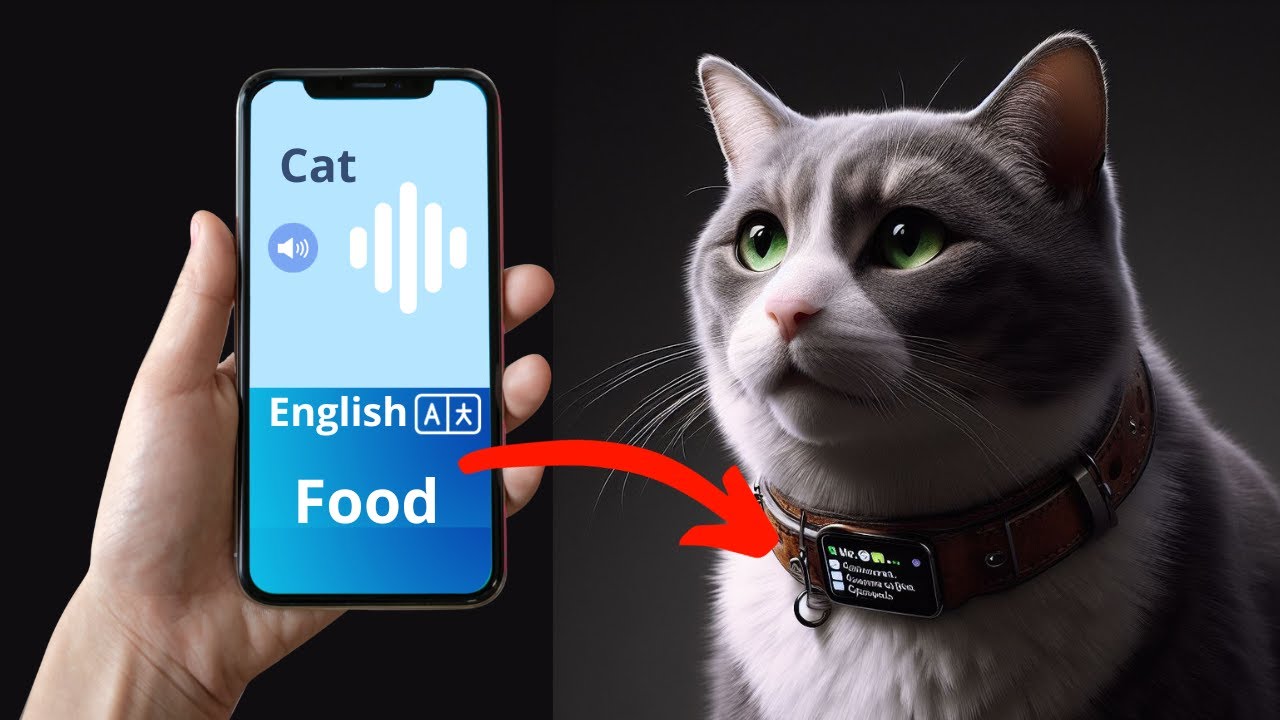
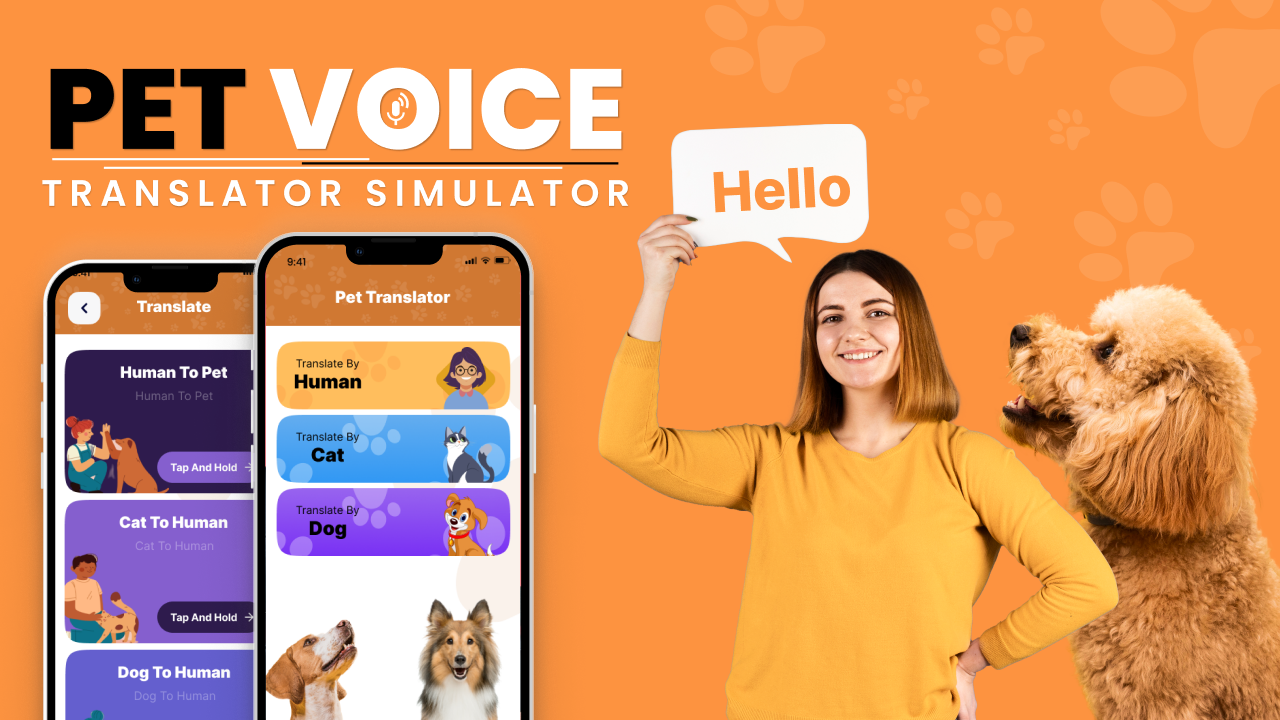
Finally, the algorithm outputs a human-readable phrase that corresponds to the predicted emotional state or intent. The app might translate a cat’s meow as “I’m hungry,” or a dog’s whine as “I want to play” . Some apps also offer the reverse function: typing or saying a human phrase, which the app then converts into a standardized dog or cat sound (like a bark or meow) to play back to the animal .
Popular Pet Translation Apps in 2026
The app marketplace is crowded with options, each offering a slightly different take on communication. They generally fall into two categories: entertainment-focused and AI-driven analytical tools. Here are some notable examples based on recent data:
A. Traini (The AI-First Contender)
Perhaps the most well-funded and technologically ambitious app on the market, Traini has positioned itself as the first “PetGPT” . Developed by a Silicon Valley-based team, it uses a multi-modal AI model trained on a vast dataset of dog sounds and facial expressions. Its creators claim it can detect up to 12 different emotions with an accuracy rate of around 81.5% for interpreting dog behavior into human language . It gained viral attention with videos showing dogs responding to translated commands like “bring the remote,” though the scientific validity of these specific interactions has been questioned .
B. MeowTalk (The Cat Specialist)
Specifically designed for felines, MeowTalk gained popularity for its focus on cat vocalizations. The app analyzes meows against a large library of recordings to identify the cat’s intent, such as asking for food, wanting attention, or expressing annoyance. However, user reviews are mixed. A common complaint is that the app’s translations can be repetitive or disconnected from the context, with one reviewer noting their cat only ever seemed to say “Hello” .
C. Anima (The Open-Source Universal Platform)
For the technically inclined, Anima offers a different approach. As an open-source React application available on GitHub, it aims to be a universal pet communication platform supporting a wide range of species, from dogs and cats to birds, rabbits, and even reptiles and fish . It features vocalization analysis, photo identification, and a training system. Its foundation is particularly robust, incorporating findings from over 50 peer-reviewed research papers on animal behavior, making it a unique bridge between academic science and consumer technology .
D. PawsTalk and General Translator Apps
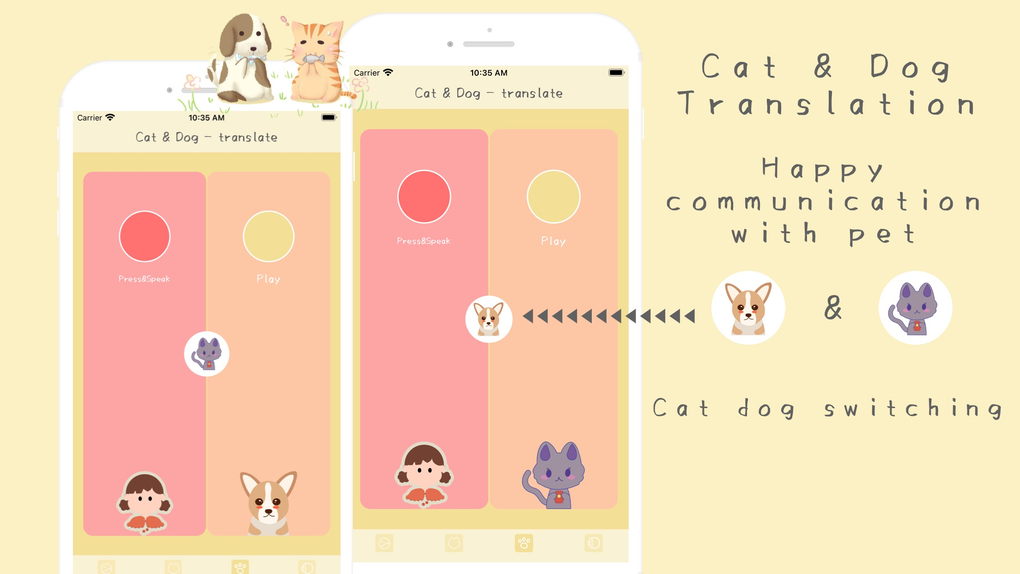
Apps like PawsTalk, “Dog Cat Translator App,” and the various “Dog Translator” apps available on iOS and Android typically function as fun, interactive tools . They feature soundboards with pre-recorded animal noises, human-to-animal voice changers, and simulated translations. These are generally marketed as entertainment products meant to foster bonding and playful interaction, rather than serious scientific tools. Reviews for these apps often highlight issues with intrusive ads, paywalls, and inconsistent performance .
The Science: How Much is Real?
While the technology is impressive, it’s essential to separate the marketing hype from the actual science. The question of whether these apps truly allow us to “talk” to our pets is a complex one.
A. The Verifiable Science (60%)
The core technology behind these apps AI-powered pattern recognition is very real and highly effective . Scientists have long used bioacoustics to study animal communication. AI can process thousands of hours of recordings and identify patterns imperceptible to the human ear. This has legitimate applications in veterinary medicine and animal welfare. For example, AI collars unveiled at CES 2026 can monitor a pet’s vital signs and behavior to detect early signs of stress or illness, providing a valuable diagnostic tool . Similarly, analyzing a dog’s bark or a cat’s meow to determine if they are in distress is a realistic and achievable goal .
B. The Interpretation Gap (40% Bull)
The leap from “detecting stress” to “translating a specific thought” is where the science gets shaky . Animal communication is largely emotional and instinctual. A dog’s bark might signal excitement, fear, or a warning, but it does not contain the linguistic structure to form a sentence about a specific past event or a complex desire like “I want the blue ball, not the red one.” AI is essentially mapping a sound to a pre-programmed human phrase. As one expert noted, AI is “doing a high-quality daydream” for humans, overlaying our own narrative expectations onto animal signals .
Furthermore, the concept of “translating” human language into dog language is even more problematic. When an app plays a “dog translation” of “I love you,” it’s simply playing a generic, pre-recorded dog sound. There is no evidence that this sound conveys the abstract concept of love to the animal. It may simply grab their attention, much like any other noise .
Future Applications Beyond Simple Translation
Despite the current limitations, the field holds immense potential. The future of this technology likely lies not in casual conversation, but in profound applications for animal health and conservation.
A. Veterinary Diagnostics
As previously mentioned, AI’s ability to detect subtle changes in vocalization and behavior is a game-changer for preventive healthcare. Imagine an app that alerts you to a slight change in your cat’s purr that could indicate a respiratory issue, or a collar that detects the specific frequency of a dog’s whine associated with joint pain, days before the animal starts limping. This would allow for earlier intervention and better outcomes .
B. Wildlife Conservation and Research
The technology being developed for pets is also being adapted for wildlife. Projects like Google’s DolphinGemma AI model are using machine learning to analyze the sounds of dolphins, hoping to uncover hidden structures in their communication . The “Earth Species Project” is a non-profit dedicated to using AI to decode non-human communication, which could revolutionize our understanding of animal societies and aid in conservation efforts. AI is already being used to identify and track endangered species by their calls, as seen in the rediscovery of a bird thought to be extinct .
C. Deeper Empathy and Bonding
Perhaps the most immediate and valuable outcome of these apps is their ability to foster empathy. By prompting owners to pay closer attention to their pet’s signals, these tools encourage a more mindful and observant form of pet parenting . Even if the translation “I’m feeling anxious” is generated by an algorithm, it might lead an owner to realize that their dog is stressed by loud noises or being left alone, prompting them to take positive action to comfort them .
Limitations and Ethical Considerations
It is crucial for consumers to approach these apps with a healthy dose of skepticism.
-
Anthropomorphism: The biggest risk is projecting human emotions and thoughts onto animals. Labeling a cat’s meow as “I’m mad at you” creates a false narrative that could lead to misunderstandings about the animal’s actual needs.
-
Animal Stress: Some apps feature sounds that could inadvertently stress or frighten an animal. Playing back a recorded growl or hiss to a pet could cause confusion, fear, or anxiety .
-
False Accuracy: High accuracy claims, like the “81.5%” figure, are difficult to verify. They likely refer to the model’s ability to correctly categorize a sound within its own training parameters, not its ability to read an animal’s mind. For instance, the accuracy of translating human speech into dog barks is still unvalidated .
-
Monetization and Hype: Many apps capitalize on the deep emotional bond owners have with their pets. They use the dream of conversation to push expensive subscriptions, often delivering little more than pre-programmed soundboards and intrusive ads .
Conclusion: A Tool for Connection, Not Conversation
In 2026, we are not yet at a point where we can debate philosophy with a pug or ask a cat why it’s being difficult . The vocal pet translation apps available today are not magical devices that unlock a secret language. They are sophisticated pattern-matching tools that provide a simulation of translation, offering a glimpse into the emotional states of our animal companions.
While the technology is overpromising on the “translation” front, it is genuinely delivering on “analysis.” The ability to monitor a pet’s health and well-being through AI is a significant leap forward. As we continue to refine these models and move away from the quest for conversation toward a deeper understanding of animal needs, we may find that we don’t need our pets to talk. We just need to learn how to listen better with a little help from AI.